Roof Repair for Wind Damage vs. Hail Damage
People seeking roof repair for wind damage vs. hail damage aim to restore and protect their roofs, and local service providers can assess and fix these specific storm-related issues.
Property owners in the area often find themselves evaluating roof repair options after severe weather events. Understanding the differences between wind damage and hail damage is essential for making informed decisions about repairs and protecting the integrity of a home. Whether high winds have caused shingles to lift or hailstones have left behind dents and cracks, knowing what to look for can help determine the appropriate course of action. Local contractors specializing in roof repair are equipped to assess the damage accurately and recommend effective solutions tailored to each situation.
Exploring roof repair for wind damage versus hail damage is a practical step for homeowners who want to ensure their roofs remain durable and reliable. Damage from wind may require different repair techniques compared to hail impacts, which can cause more localized but sometimes deeper issues. Connecting with experienced service providers in the community can provide clarity on the best repair strategies and help address issues promptly. Continued reading can offer valuable insights into how local experts can assist in restoring and safeguarding roofs affected by these common weather-related challenges.
- Roof repair for wind damage - is needed when strong gusts cause shingles to lift or blow off, and local contractors assess the extent of wind-related impacts to ensure proper sealing and reinforcement.
- Roof repair for hail damage - becomes necessary after hailstorms leave dents, cracks, or punctures in roofing materials, with service providers inspecting for hidden damage and replacing compromised sections.
- Roof repair for wind damage - often involves fixing loose or missing shingles caused by high winds, with local pros focusing on securing the roof structure to prevent further issues.
- Roof repair for hail damage - requires identifying and repairing granule loss or impact marks on roofing surfaces, with contractors using specialized tools to evaluate damage severity.
- Roof repair for wind damage - may include reinforcing vulnerable areas of the roof to withstand future storms, with local service providers tailoring repairs to wind-specific risks.
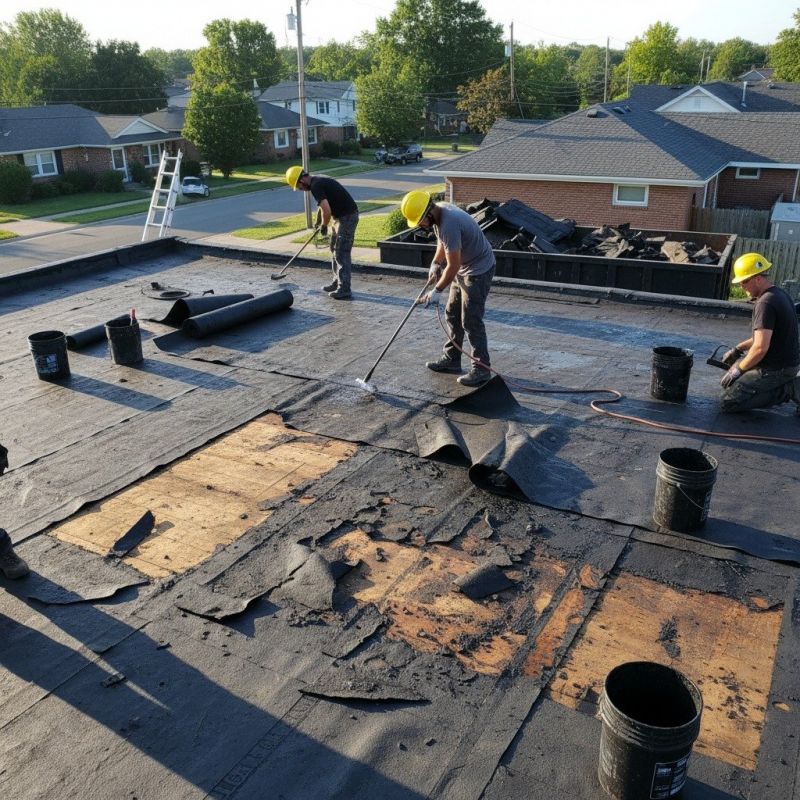
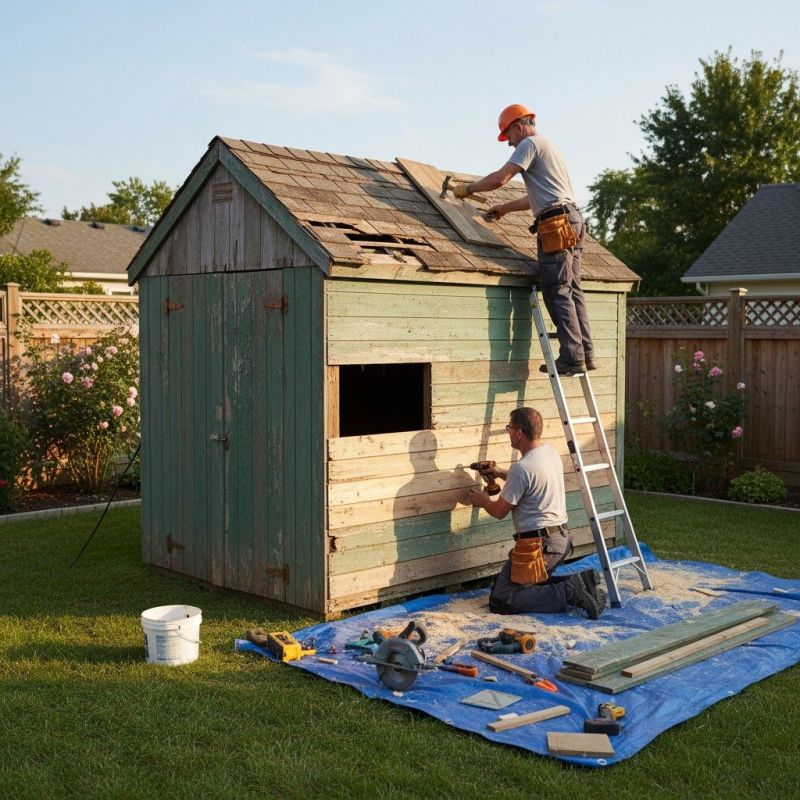
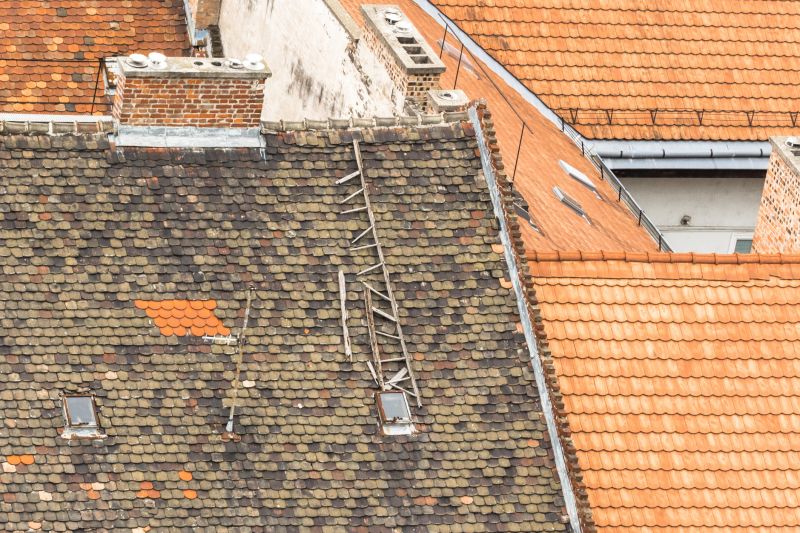
When homeowners search for information about roof repair for wind damage versus hail damage, they are typically trying to understand the different types of issues that can affect their roofs after severe weather events. Wind damage often involves problems like missing or loosened shingles, uplifted flashing, or even structural issues caused by strong gusts. Hail damage, on the other hand, usually results in dents, cracks, or holes in roofing materials, especially on softer or more vulnerable surfaces. Recognizing these distinctions helps property owners determine whether their roof needs a simple repair or a more comprehensive replacement, and it guides them in choosing the right local contractors to handle the specific damage.
The problems associated with wind and hail damage are closely related to the plans homeowners might consider for their roofs. Wind damage repairs often focus on fixing uplifted or missing shingles, resealing flashing, and reinforcing the roof’s overall integrity to withstand future storms. Hail damage repairs tend to involve replacing or patching damaged shingles, inspecting for cracks or dents, and sometimes replacing entire sections if the impact was severe. Both types of damage may also require assessments of underlying roof structures to ensure there are no hidden issues that could cause problems down the line. Local service providers are equipped to evaluate the damage accurately and recommend the appropriate repairs based on the specific weather-related issues.
Different types of properties are affected by wind and hail damage in distinct ways. Residential homes, especially those with asphalt shingles, are often the most visible targets for hail impacts, which can leave noticeable dents or cracks. Larger residential buildings, such as multi-family complexes, may experience more extensive damage that requires coordinated repairs. Commercial properties with flat roofs or metal surfaces can also be vulnerable, with wind causing uplift and hail creating dents or punctures. Although damage can occur on any property, the severity and type of repairs needed often depend on the roof’s materials, age, and exposure to severe weather. Local contractors are experienced in handling repairs for various property types, ensuring that each project is tailored to the specific needs of the building.
Understanding the differences between roof repair for wind damage versus hail damage is essential for homeowners seeking effective solutions. While both types of weather can compromise a roof’s function and appearance, the repair strategies differ based on the nature of the damage. Wind-related issues often require securing loose materials and reinforcing the roof structure, whereas hail damage typically involves replacing or patching impacted areas. Local roof repair service providers are familiar with these distinctions and can help property owners navigate the repair process. They assess the extent of the damage, recommend appropriate repairs, and ensure that the roof is restored to withstand future weather challenges, regardless of whether the damage was caused by wind or hail.
Storm damage restoration involves repairing roofs affected by severe weather, similar to wind and hail damage repairs, requiring expertise in assessing and fixing storm-related impacts.
Roof leak repairs are related as they often result from damage caused by wind or hail, and local contractors use similar tools and techniques to ensure proper sealing and waterproofing.
Gutter and fascia repairs are connected projects since storm-related roof damage can also impact gutters and fascia, requiring coordinated repairs by local service providers.
Shingle replacement services are essential when storm damage dislodges or breaks roofing materials, making them relevant for wind and hail damage repair efforts.
Roof inspection services help identify storm-related damage early, guiding repair strategies for wind or hail impacts and utilizing comparable assessment skills.
Attic and ceiling repairs are often necessary after storm damage causes leaks or structural issues, involving similar planning and repair techniques as roof damage restoration.
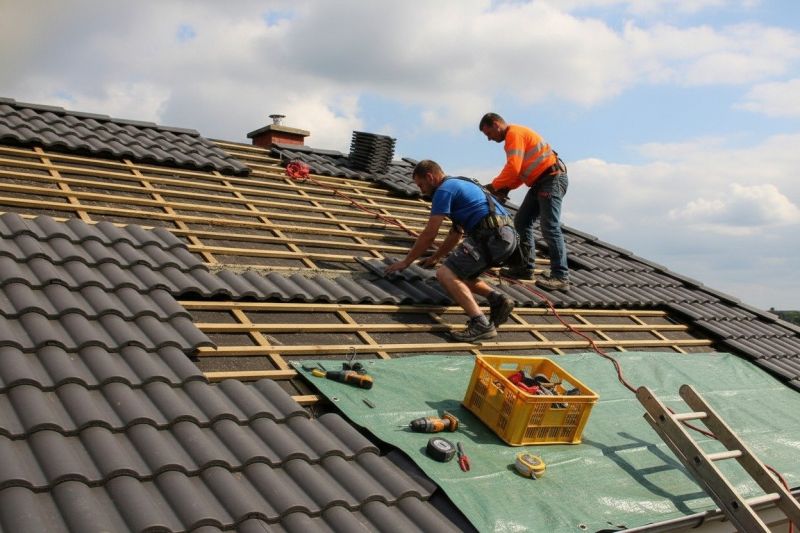
When comparing service providers for roof repair related to wind damage versus hail damage, it is important to consider their experience with similar projects. Local contractors who have handled repairs for these specific types of damage are more likely to understand the unique challenges they present. Wind damage often involves issues like loose or missing shingles and structural concerns, while hail damage may result in dents, cracks, or punctures. A contractor with a history of successfully managing these distinct problems can provide more informed assessments and effective solutions, helping to ensure the repair work addresses the specific damage caused by each weather event.
Clear, written expectations are essential when evaluating potential service providers. Homeowners should seek detailed estimates that outline the scope of work, materials to be used, and the timeline for completion. This transparency helps prevent misunderstandings and ensures that both parties agree on what will be done to repair the roof after wind or hail damage. Service providers who can communicate these details clearly and provide comprehensive written proposals demonstrate professionalism and a commitment to keeping clients well-informed throughout the repair process.
Reputable references and effective communication are key factors to consider when choosing a contractor for roof repairs. Local service providers with positive references from previous customers can offer insights into their reliability, quality of work, and ability to handle damage specific to wind or hail. Good communication, including prompt responses and straightforward explanations, fosters trust and makes it easier for homeowners to navigate the repair process. By prioritizing these qualities, homeowners can find a contractor who is not only capable of addressing the damage but also committed to providing a smooth, transparent experience from start to finish.
Property owners often search for roof repair for wind damage vs. hail damage when they are planning practical projects around their homes and businesses. Local pros provide Roof Repair services for everyday jobs and straightforward project options.
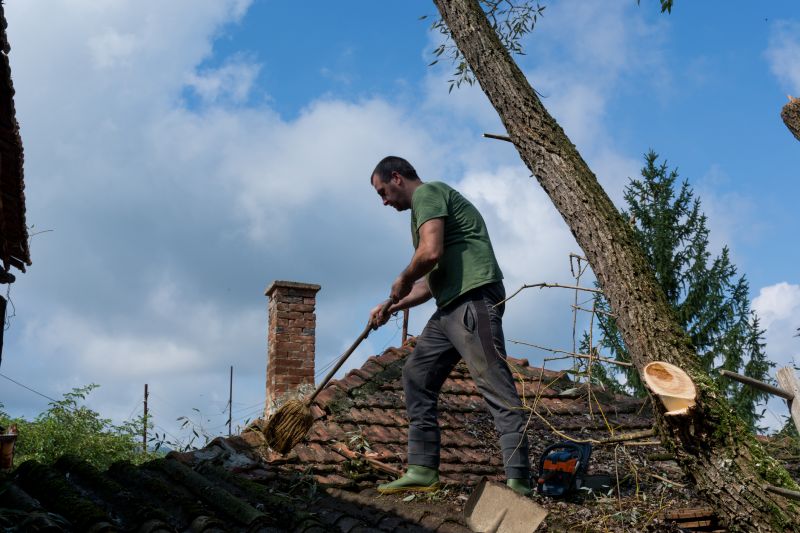
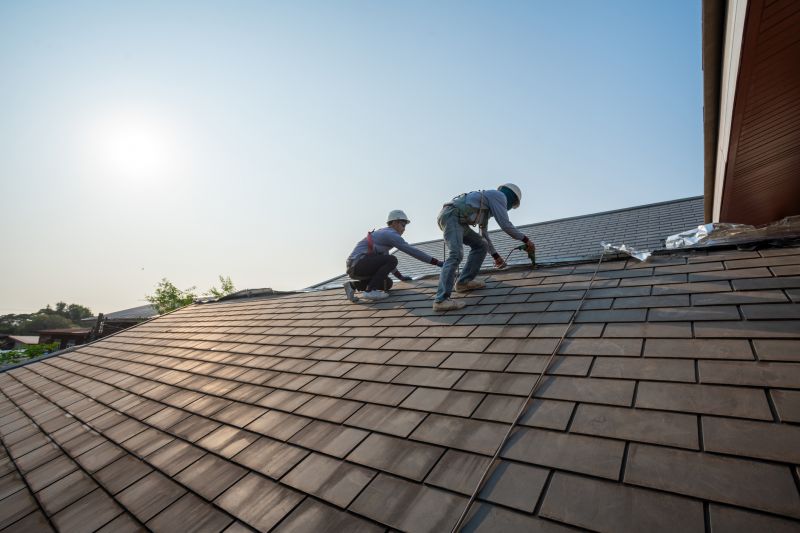
Homeowners in the area often look up roof repair for wind damage vs. hail damage after severe weather events. Wind can cause shingles to lift, loosen, or even tear off completely, leaving the roof vulnerable to leaks and further deterioration. Hail, on the other hand, tends to leave behind visible dents, cracks, or missing granules on roofing materials. Understanding the differences helps property owners determine the right repairs needed to restore their roof’s integrity and prevent future issues. Local contractors experienced in handling both types of damage can assess the extent of the harm and recommend appropriate solutions, ensuring the roof continues to protect the home effectively.
Many property owners seek out information on roof repair options following storms that produce strong winds or hail. These weather conditions can cause distinct types of damage, which may require different repair approaches. Wind damage often involves fixing uplifted or damaged shingles, while hail damage might involve replacing sections of the roof with dents or broken tiles. Connecting with local service providers who specialize in storm-related roof repairs can help property owners address specific problems quickly and effectively. These professionals can evaluate the damage, identify necessary repairs, and help restore the roof’s strength against future weather challenges.
What are the main differences between roof repair for wind damage and hail damage? Wind damage often causes missing or loosened shingles, while hail damage typically results in dents, cracks, or bruising on the roof surface. Local contractors can assess the specific type of damage to determine the appropriate repair approach.
How can I tell if my roof damage is caused by wind or hail? Signs of wind damage include missing shingles, loose flashing, or uplifted roof materials. Hail damage usually appears as small dents, cracks, or pockmarks on shingles and other roofing components. Local service providers can evaluate your roof to identify the damage source.
Are repairs for wind damage different from repairs for hail damage? Yes, wind damage repairs often focus on replacing or securing loose shingles, while hail damage repairs may involve patching dents or replacing severely impacted shingles. Local roof repair professionals tailor their services based on the type of damage.
Can a roof damaged by wind or hail be repaired, or does it need replacement? Many types of wind and hail damage can be repaired, especially if the damage is limited. However, extensive damage might require a full roof replacement. Local contractors can evaluate the extent of damage to recommend the best solution.
Why should I rely on local pros for roof repair after wind or hail damage? Local service providers have experience with common storm-related damages in the area and can accurately assess the damage caused by wind or hail. They provide tailored repairs to restore roof integrity and protect the home.
Assessing damage types - property owners can inspect their roofs after storms to identify signs of wind or hail damage and share findings with local contractors for targeted repairs.
Choosing repair materials - selecting appropriate roofing materials based on the damage type helps ensure durability and proper restoration, with guidance from local service providers.
Scheduling specialized repairs - planning for wind or hail-specific repairs allows property owners to address issues like shingle replacement or flashing repairs with local pros experienced in these damage types.
Preventive maintenance planning - property owners can work with local contractors to develop maintenance routines that minimize future wind or hail damage risks and prolong roof lifespan.
If you are thinking about roof repair for wind damage vs. hail damage for a property, this guide is meant to help you understand this topic, the typical project types, and how different options might fit your plans.
When you are ready, you can use the quote form on this page to share a few details about your project. From there, local pros can review the basics and follow up with options that match what you have in mind.