Common Types of Storm Damage That Require Roof Repair
People searching for storm damage roof repair are typically seeking help from local contractors who can fix issues caused by common storm-related damage like fallen branches, hail, or wind.
If your property has recently experienced a storm, understanding the common types of storm damage that require roof repair can help you respond quickly and effectively. Severe weather events such as high winds, hail, heavy rain, and falling debris can all compromise the integrity of a roof, leading to issues like leaks, missing shingles, or structural damage. Property owners in the area who want to protect their investment and prevent further complications often explore this topic to identify potential problems early on. By staying informed about the typical storm-related damages, they can better recognize the signs that indicate a roof needs professional attention, ensuring their home remains safe and secure.
Local contractors specializing in storm damage roof repair are equipped to handle a variety of issues caused by severe weather. Whether it’s repairing wind-damaged shingles, replacing hail-formed dents, or fixing leaks from heavy rain, these service providers understand the unique challenges posed by storms in the area. Property owners who keep this information in mind can make more informed decisions about when to seek professional help, reducing the risk of costly repairs down the line. Continuing to learn about common storm damage types encourages proactive maintenance, helping homeowners and property managers maintain the durability and safety of their roofs.
- Hail damage - when hailstones cause dents or cracks in roofing materials, local contractors can assess and repair the impact to prevent further issues.
- Wind damage - after strong winds tear off shingles or create leaks, service providers can quickly restore roof integrity.
- Heavy rain and water intrusion - persistent rain can lead to leaks and water damage, prompting local pros to identify and fix compromised areas.
- Fallen debris and tree limbs - storms that bring falling branches or debris can damage roofing surfaces, with local contractors performing necessary repairs.
- Storm-related leaks - leaks caused by storm exposure are addressed by service providers who evaluate and restore damaged roofing components.
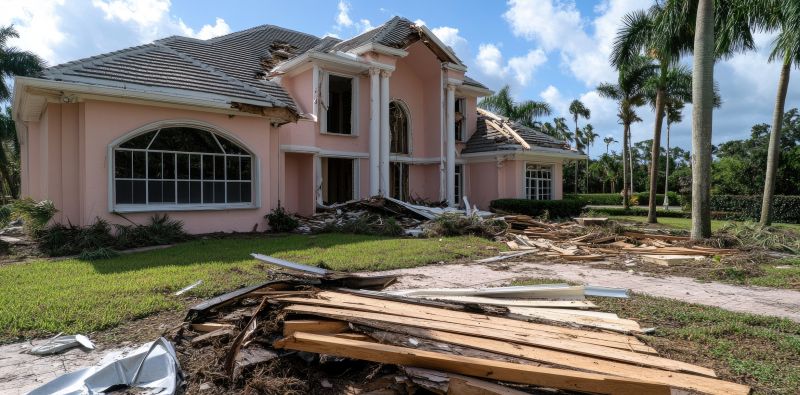
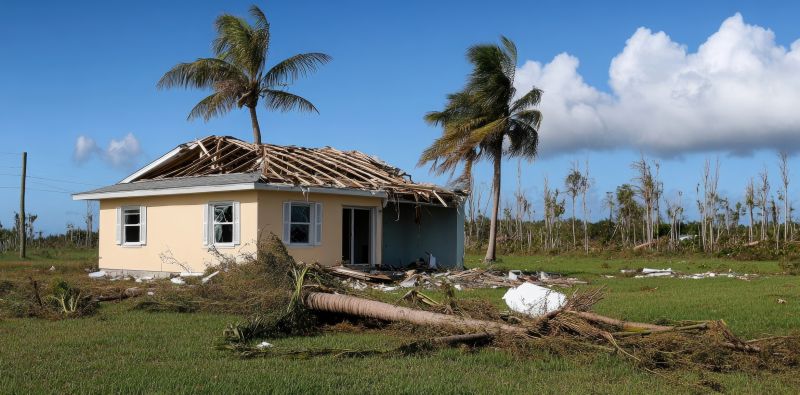
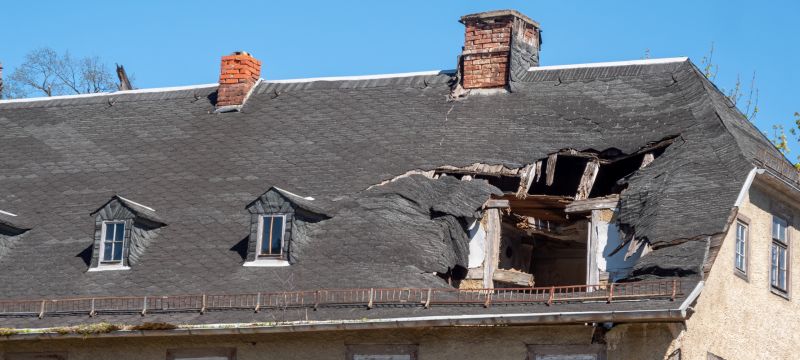
When homeowners search for information on common types of storm damage that require roof repair, they are typically looking to understand the specific problems that severe weather can cause to their roofs. Storm damage can vary widely, but certain issues tend to occur more frequently and often necessitate professional repairs. Knowing what to look for helps property owners determine when a roof might need urgent attention and how to plan for necessary repairs. This understanding also connects to broader concerns about protecting property value, preventing leaks, and avoiding more extensive structural damage that can result from untreated storm-related issues.
The problems associated with storm damage often involve physical impacts to the roof’s surface and structure. High winds can lift or tear shingles, creating vulnerabilities that allow water to penetrate the roof. Heavy rain and hail can cause dents, cracks, and punctures in roofing materials, compromising their ability to shed water effectively. Additionally, falling debris such as tree branches can cause immediate damage to the roof’s surface, sometimes resulting in holes or broken tiles. Recognizing these issues is crucial for homeowners to identify whether their roof has sustained damage that requires professional repair, especially after a storm event.
Certain types of properties are more susceptible to specific storm damage issues. Residential homes with asphalt shingle roofs are common targets for damage from hail and wind, which can loosen or dislodge shingles. Metal roofs, while durable, can still suffer dents or punctures during hailstorms, leading to potential leaks. Larger properties like multi-family buildings or commercial structures may experience more extensive damage due to their size and roofing material variety. Regardless of property type, local service providers are equipped to handle a wide range of storm-related repairs, helping homeowners restore the integrity of their roofs after severe weather events.
Understanding the common types of storm damage that require roof repair helps homeowners connect the dots between weather events and the need for professional intervention. Whether it’s missing shingles, dented metal, or punctured tiles, these issues can lead to leaks and further deterioration if not addressed promptly. Local contractors who specialize in storm damage repairs can assess the extent of the damage, recommend appropriate repairs, and help restore the roof’s protective function. Recognizing these damage types and knowing when to seek expert help is a key step in maintaining the safety and longevity of a property’s roof after a storm.
Storm damage assessment services - professionals skilled in evaluating roof conditions after severe weather events, which is essential for identifying necessary repairs for storm-related damage.
Roof leak repair projects - these projects often involve similar skills and tools used to fix leaks caused by storm damage such as heavy rain or hail impacts.
Gutter and downspout installation or repair - effective storm damage mitigation includes ensuring proper drainage, making these services relevant for preventing further roof issues after storms.
Shingle replacement and repair - local contractors experienced in shingle work can address damage caused by hail or wind, which are common storm damage types requiring roof repair.
Emergency roof tarp installation - this service helps protect roofs from further damage after storms and involves planning and quick response skills similar to storm damage repairs.
Roof inspection and maintenance - routine inspections help identify early signs of storm damage, supporting proactive repairs and maintenance by local service providers.
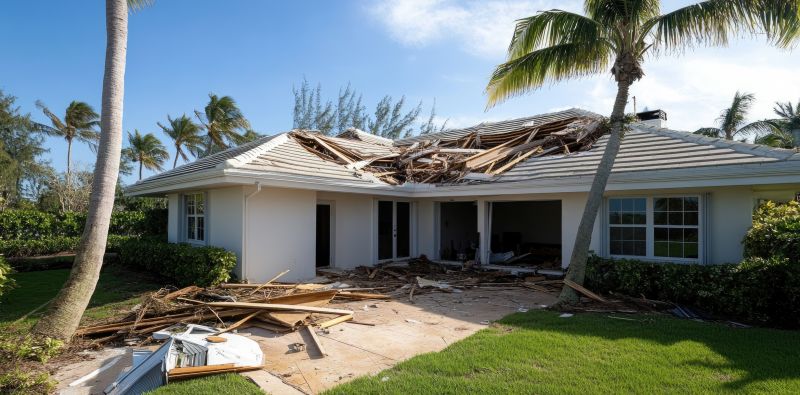
When evaluating service providers for storm damage roof repair, it is important to consider their experience with similar projects. Local contractors who have handled storm-related repairs in the past are more likely to understand the unique challenges posed by common types of storm damage, such as hail impacts, wind-driven debris, or heavy rainfall. Reviewing their history of completing comparable work can provide insight into their familiarity with the specific issues that arise from storm events and how effectively they address them.
Clear, written expectations are essential when comparing local pros for storm damage roof repair. A reputable service provider should be able to outline the scope of work, the materials to be used, and the estimated process involved in repairing storm-related damage. Having detailed documentation helps ensure that there are no misunderstandings about what the repair entails and provides a basis for evaluating the thoroughness and professionalism of each contractor. This clarity can also serve as a foundation for future discussions or adjustments if needed.
Reputable references and effective communication are key factors in selecting the right local contractor for storm damage repairs. Service providers with positive references from previous clients demonstrate a track record of reliable work and customer satisfaction. Good communication throughout the process-such as prompt responses to questions and transparent updates-can make the repair experience smoother and more predictable. When comparing options, considering how well a contractor communicates and the quality of their references can help identify those most capable of handling storm damage repairs efficiently and professionally.
Property owners often search for common types of storm damage that require roof repair when they are planning practical projects around their homes and businesses. Local pros provide Storm Damage Roof Repair services for everyday jobs and straightforward project options.
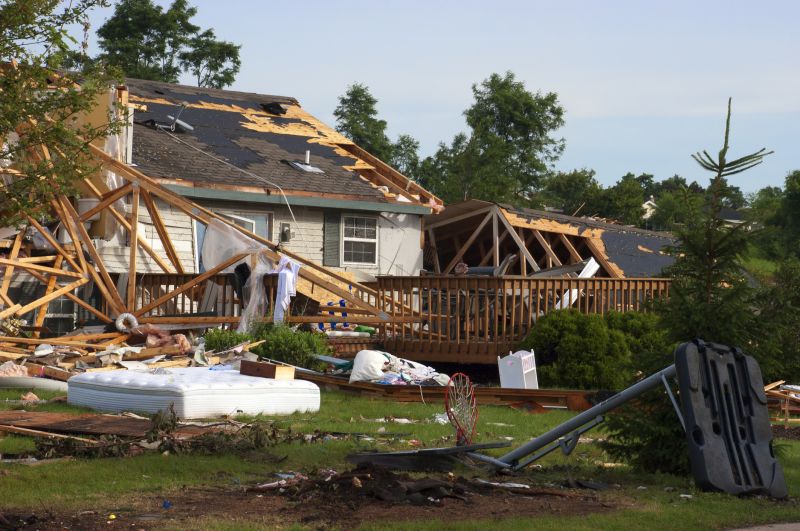
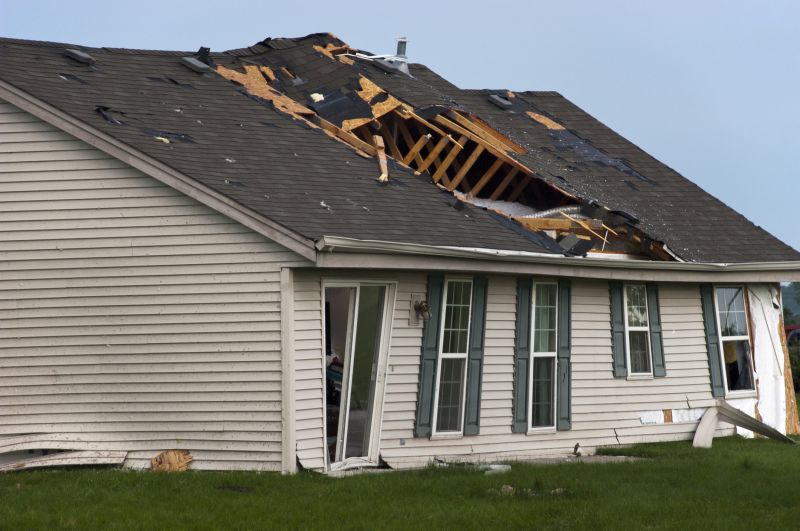
Storms can cause a variety of damage to roofs, making it important for property owners to recognize common issues that may require repair. High winds can lift or tear shingles, leaving the underlying roof vulnerable to leaks and further deterioration. Heavy rain or hail can also impact roofs by creating dents, cracks, or even punctures, which compromise the roof’s ability to keep water out. Property owners who notice missing shingles, granule loss, or visible damage after a storm should consider reaching out to local contractors experienced in storm damage roof repair to assess and address the issues promptly.
In addition to wind and hail, fallen tree branches or debris carried by storms can cause physical damage to roofing materials. This can result in punctures, cracks, or dislodged shingles that may not be immediately obvious but can lead to leaks over time. Storm damage that involves water infiltration or structural impact often requires professional inspection and repair to prevent further problems. Local service providers specializing in storm damage roof repair are equipped to evaluate the extent of the damage and perform necessary fixes to restore the roof’s integrity.
What are common types of storm damage that require roof repair? Common types include wind damage, hail impacts, fallen tree branches, heavy rain leaks, and roof punctures caused by debris during storms. Local contractors can assess and repair these issues to restore roof integrity.
How does hail damage affect roofs after a storm? Hail can create dents, cracks, and bruises on roofing materials, leading to potential leaks and structural weakening. Local pros can identify and repair hail-related damage to prevent further issues.
What signs indicate wind damage on a roof? Signs include missing or loose shingles, uplifted edges, and damaged flashing. Service providers can evaluate wind damage and perform necessary repairs to maintain roof protection.
Can fallen branches cause significant roof damage? Yes, large branches can puncture or crack roofing materials, leading to leaks and structural issues. Local contractors can repair storm-related damage caused by fallen debris.
What types of storm-related roof damage often require immediate repair? Urgent issues include leaks from heavy rain, punctures from debris, and extensive shingle damage from high winds. Local service providers can address these problems to prevent further deterioration.
Wind damage repairs can be essential after storms, as high winds may loosen or lift roof shingles, making it necessary to seek services from local contractors to restore roof integrity. Hail impact assessments help property owners identify dents or cracks caused by hail, prompting professional repairs to prevent leaks and further damage. Tree branch and debris removal can prevent punctures or tears in roofing material, and local service providers can handle the cleanup and repair process efficiently. Water intrusion from leaks often results from storm-related damage, and experienced roof repair specialists can identify and fix leaks to protect the interior of the property.
If you are thinking about common types of storm damage that require roof repair for a property, this guide is meant to help you understand this topic, the typical project types, and how different options might fit your plans.
When you are ready, you can use the quote form on this page to share a few details about your project. From there, local pros can review the basics and follow up with options that match what you have in mind.